
The Angle
A short story

Hello! Thank you for stopping by Naptime Novelist! To learn more about what kinds of stories you’ll find here, you can visit my Guidebook.
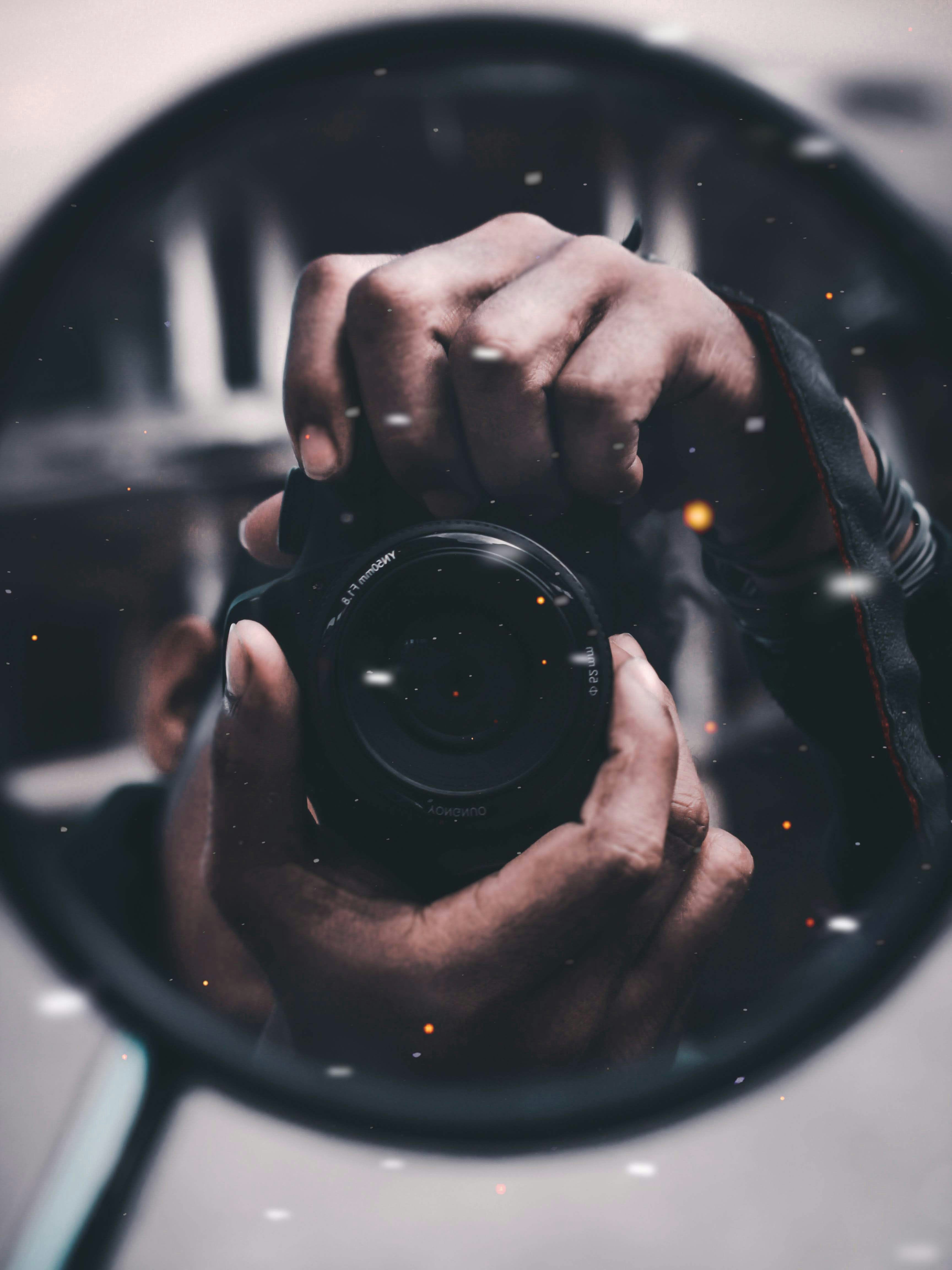
My job involves a lot of luck. But there are two reasons I’m luckier than most other guys: patience and audacity. I’ve got both in spades.
Patience comes in handy when I’m trailing a target. I need decent lighting, a good angle, a shot that’s close enough to show an unguarded side-eye, cheeky smirk, a shock of startled rage, but far enough away to give just a hint of context – a seedy nightclub, a city street, a public park, the places celebrities think they’re invisible. Then I make a noise, call their name, get them looking right at me.
And as for audacity – yeah, I’ve got that too.
Even if I sometimes get my face busted.
It happened on a blistering, sticky afternoon, when most places indoors were just as hot and sticky as the summer air outside. Everybody was cranky. Fuses were short, tempers were as fiery as the sunshine.
Leonard O'Brien, career on the downturn, hadn’t been top-billed in a movie for a couple years. He was a volatile guy at the best of times, and on that day he was sweating on a city street during the hottest summer on record. So maybe I picked a bad day to snag a photo of him.
I was walking along Fifth Avenue, keeping an eye out for targets and trying to keep to the shade, not that it helped much in the syrupy heat, when I caught a glimpse of Leonard’s luxuriant salt-and-pepper hair and broad shoulders ducking into Dior with a redhead who most definitely was not his socialite wife. Now, a movie star having an affair wasn’t news, exactly. People liked to moralize, but nobody expected actors to be faithful to their spouses. With the right photo, though, I could turn an affair into news.
It would have to be just the right angle, the right moment. They would have to be touching, holding hands or putting an arm around each other, and I’d need a good, clear shot of Leonard’s face. If I could get the girl’s face too, that would be golden. But even just her hair, face turned away, would be enough.
So I loitered. I snuck a couple quick photos through Dior’s glass doors, though my old, scratched lens wouldn’t do them justice; I leaned against a lamppost while sweat trickled down my back, making my shirt cling to my skin and my camera strap chafe against my neck.
With a better lens I’d have been able to get the shot I needed even through the glass doors and the glare. But lenses cost money, same as rent and groceries. If this photo panned out, if a magazine was willing to pay big for it – maybe if Lizzy, with her soft voice that always sounded like she was smiling, had her boss buy it – then that lens, and this month’s rent and food, were in the bag.
Maybe this would end up being a story that would make Lizzy laugh. I liked to tuck stories away, store up the zany adventures for her when I went around calling different magazines, seeing who was willing to pay for my photos. I’d taken to calling her first, before every other magazine editor, just to dole out my crazy stories and hear her laugh. And she had the best laugh, warm and loud and unembarrassed.
Maybe Leonard O’Brien could give her a good story and a good photo.
When Leonard and his redheaded girlfriend strolled back out of the nice, cool air of Dior and into the hellish heat, I could see their hair and clothes start to droop just like all us regular mortals. Perfect – sweat-plastered bangs were just the kind of imperfection that could set a photo apart. Imperfection was key to a real photographic work of art. A wardrobe malfunction, a little wind in the hair, a half-chewed bite of food, and the public eats the photo up. I slipped away from my lamppost and moved up behind them, camera at the ready.
Leonard’s driver was at the end of the block, stuck at a stoplight. I had sixty seconds, maybe, before the car pulled up and snatched them away from me. I snapped a quick photo, catching Leonard and his girl throwing a longing glance back at the air-conditioned, pristine world of high fashion that they had just abandoned for the peasantry’s heat.
Leonard laid his big hand on the small of the girl’s back, and both of them craned their necks to calculate how long it would be until they could climb into the cool car. And I caught that too.
Then, maybe to make up for his driver’s tardiness, Leonard tried to pull a romantic move on the girl, nuzzling at her neck. Not a great idea in the sweaty, sticky heat, I thought, but I clicked a quick picture anyway.
It was a perfect photo: Leonard’s face, amorous and handsome but with little beads of sweat forming at his hairline; his girlfriend’s long neck and the back of her almost-perfectly coiffed hair, with a couple little curls tumbling down. Leonard’s wife had a stiff bouffant with no flirtatious escaping tendrils, so even though the photo wouldn’t show the girlfriend’s face, anybody with half a brain could see that this girl was not Mrs. O’Brien.
New York City is a noisy place. Horns honking, people yelling, car tires squealing, music playing somewhere in the distance. There’s never silence in New York, never. But sometimes the din quiets, just for a couple eerie seconds. That’s what happened right as I snapped that photo.
And that was when my day got bad.
When my shutter clicked, Leonard paused, his ears pricked like a hunting dog. His gaze shot from his girlfriend’s neck to my camera lens, pointed right at him.
I snagged another photo.
“Scram, you paparazzi lowlife.” Leonard’s voice was a growl, the same gear-grinding tone he’d used in that war movie a few years ago, the one the critics panned and the World War II enthusiasts condemned.
He made a move, a feint like he was going to come after me, but instead of bolting, I stood still and took another photo.
A sudden rage lit in Leonard’s eyes. He let go of his girlfriend, turned away from his approaching driver, and rushed at me, hand outstretched, grabbing at my camera.
I scrambled backward but kept clicking the shutter. One shot, two shots, three – I’d use up all my film if I had to. This right here was gold.
Sweat trickling down his nose, Leonard dove at me, and I dodged, still clutching my camera. I darted around the corner of the Dior building, then paused, just for a couple seconds, to fiddle with my camera.
But Leonard was faster, madder, and crankier than I’d realized. I had just pulled my hand back out of my pocket and was half a second away from breaking into an escaping sprint when Leonard swung around the corner like he was a raging bull whose pasture I had invaded, instead of a public figure who I had photographed in a public place.
Throwing myself forward, I almost got away unscathed. But Leonard had long arms and hard knuckles.
The first thing his fist found was my jaw, and a cracking, searing pain fired across my face and deep into my teeth. Something hard rattled in my mouth like candy, and hot, tinny liquid coated my tongue and slid down my throat.
I stumbled sideways, falling on one knee to the pavement, when a sudden blow to the sternum knocked me flat on my stomach.
My head and neck jerked as big hands yanked away my camera strap, and my eyes cleared just enough to see an expensive shoe smash down on my camera, my livelihood, with a sickening, shattering crunch.
It was a good camera, an expensive one. The only thing in my life I hadn’t bought on sale. Top notch, long-lasting quality, the camera I had blown all my cash on when I was a starry-eyed kid fresh out of journalism school.
Gone. Crushed to shards. Plastic, glass, metal, all pounded to shrapnel and lying worthless on the sidewalk.
“Snap a picture with that,” Leonard snarled, kicking the debris at me. “Vulture.”
He pulled a handkerchief from his pocket and wiped my blood off his knuckles as he turned back to his waiting, air-conditioned limousine.
I didn’t crawl to my knees until Leonard’s car pulled away. My jaw screamed in agony, and I couldn’t close my lips. My stomach bubbling hot and queasy, I let the rattling bits dribble out of my mouth.
One, two, three, four. Four crimson-covered teeth lay in my palm in a splatter of blood and saliva.
In one hand I cradled my teeth, little bits of yellowed-white peeking through the glistening blood, and with the other I reached toward the shredded remains of my camera. My good old, faithful companion, my income, my first love.
She had snapped her last picture.
But –
Setting down the mangled camera frame, I reached back into my pocket and pulled out a little cylinder.
A harmless little cylinder, easy to hide.
Leonard O’Brien may have smashed my camera, but the darn fool was too focused on busting my face in front of his new sidepiece to wonder why I had stopped to fiddle with my camera, or to bother checking the wreckage for the film roll.
Oh, I had his picture all right. And it was a doozy.
Now, he would never admit it, but Leonard O’Brien owes this second wind in his lackluster career to me. That photo of him running at me, fist cocked, mouth open, eyes blazing with a fire more genuine than any he’d shown on the screen – that photo, along with all that Leonard had to pay me in damages, made me enough money to buy half a dozen new cameras and a nicer apartment. Lizzy’s magazine drew so many curious, scandalized eyes to that photo that within months Leonard got an offer to play a ruthless mobster in the year’s biggest blockbuster.
On the day Lizzy called me to finalize the details of the photo rights, I was eating food through a straw and talking in a tight voice through lips that would barely open. Her warm voice was thick with concern even as she told me what a fabulous shot it was, the kind that would live in people’s memories. It was enough to make a guy feel invincible. I was also high on painkillers, which is probably what gave me the guts to finally ask her to dinner. Turns out her face is as pretty as her voice.
Now, tonight is the red-carpet premiere of Leonard’s mobster film. I won’t be behind the barrier, snapping photos with the official photographers. Not me.
I’ll be outside the club that’s hosting the after-party, lying in wait. Waiting for Leonard’s face when he sees me, when the fire shoots into his eyes like a gas stove lighting. Waiting for the pause, the nearly imperceptible, resigned sigh when he realizes that no amount of punching will win him the war. There’s no war to win. He needs me, the lowlife paparazzo who saved his career, and I need him, source of my rent and my grocery budget. A codependent game of cat-and-mouse where the stakes are careers and dollar signs. A perpetual stalemate of exploitation.
But, though we might need each other, I don’t need another broken jaw or any more missing teeth. Nope, tonight I’ll be waiting outside that club wearing a football helmet on my head and an audacious grin on my face.
Thank you so much for stopping by Naptime Novelist and taking the time to read this story!
If you enjoyed “The Angle”, feel free to like, comment, and restack to help other readers find this story too!
“The Angle” originated in a short story competition in which I was assigned a genre (drama), subject (a stalemate), and a character (a paparazzo) and had five days to write a short story in 2000 words or less.
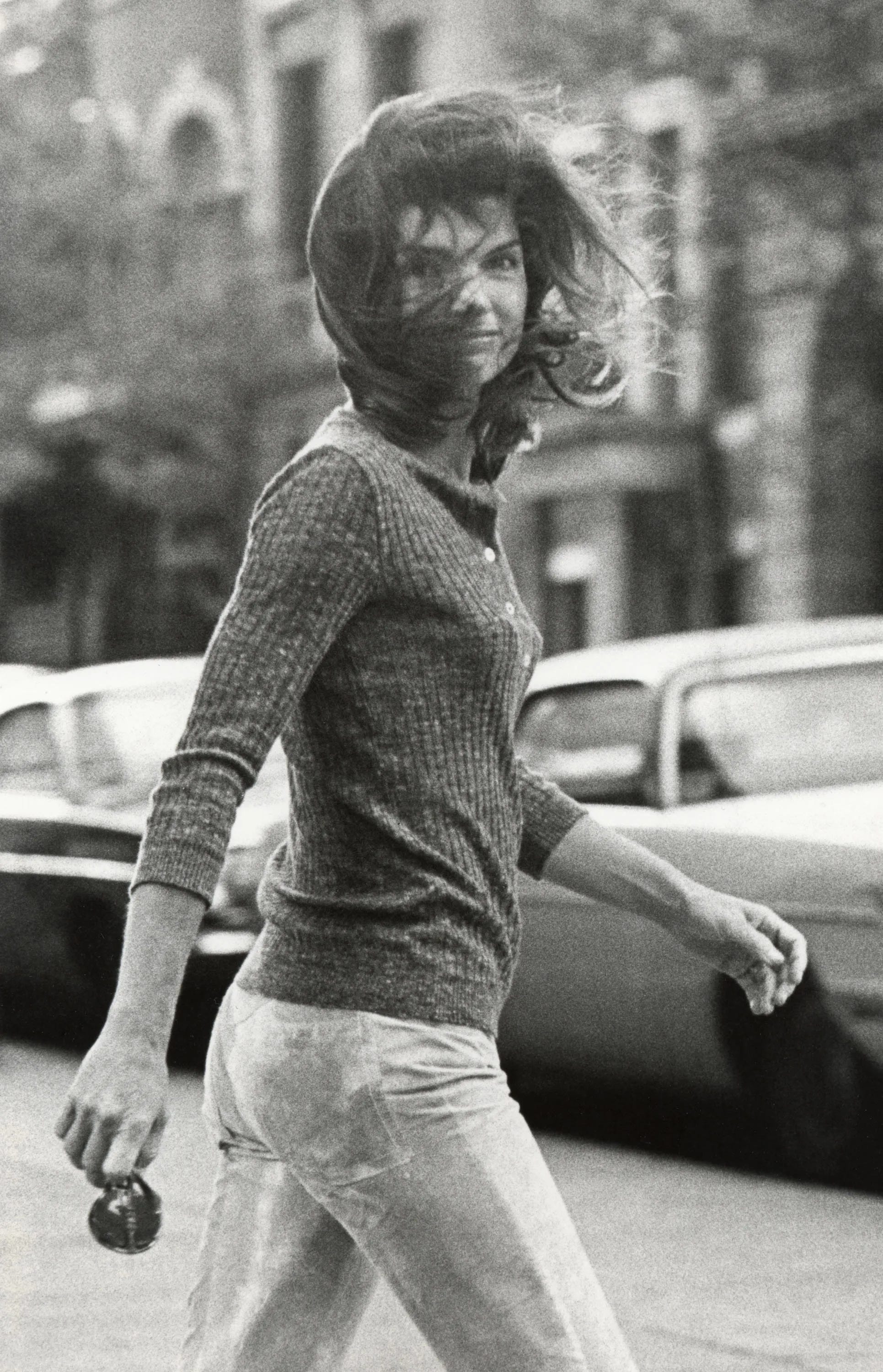
I knew very little about paparazzi, but through researching for this story, I went down a rabbit hole of photographer Ron Galella’s feuds with various celebrities, including Jackie Kennedy and Marlon Brando, which served as the loose inspiration for Stan and his story.
If you enjoyed “The Angle”, here’s another bit of voice-centric historical fiction:

The Naptime Novelist Etsy shop is live, and you can peruse items here:
To give you an idea of some of the available items:

The Scepter
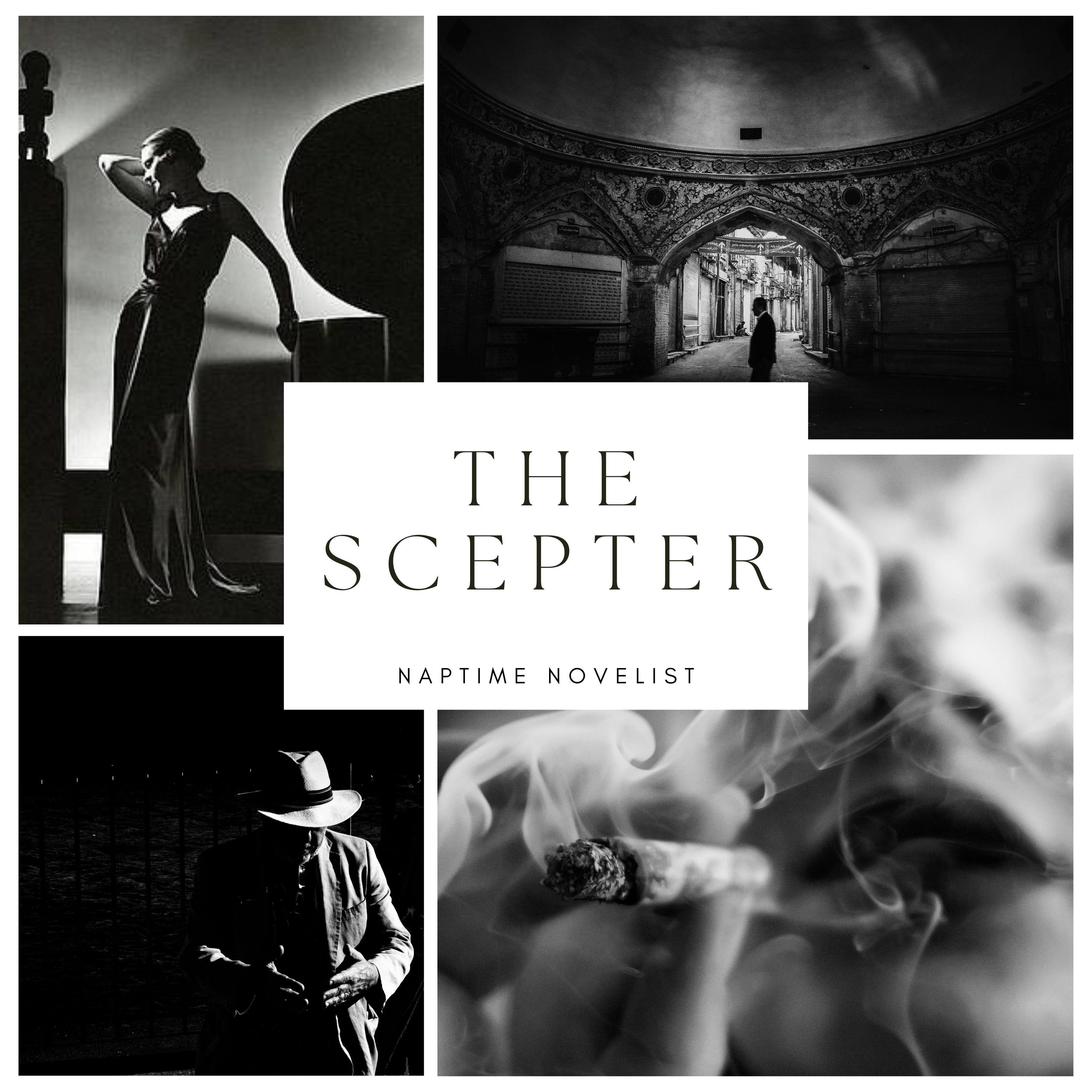
Starting in October, I’ll be serializing The Scepter, a noir retelling of the biblical story of Esther:
When nightclub singer Etta Cohen’s live-and-let-live existence in Depression-worn New York City is upended by the attentions of a powerful and notorious man, she finds a world of luxury, comfort, and deference unveiled before her. But as Etta moves deeper into this new world, the glitter fades, revealing a razor’s edge of lawlessness and danger that threatens not only Etta, but also the identity she thought she’d left behind forever.
Down in the Holler
I recently published my first book, Down in the Holler, a paranormal mystery set in rural Appalachia!

You can find your own copy of Judith Temple’s first mystery here:
If you have read Down in the Holler and enjoyed it, I would be eternally grateful if you would consider leaving a rating or review!
Thank you again for choosing to spend your valuable time with this story!

Classic. I can see the shots in my head, and i love the audacity (he did tell us!) of wearing a football helmet to meet his rival again 😂
Wonderful story!